

Why Celtic debates are really about safety, not Europe
Europe is where certainty breaks down

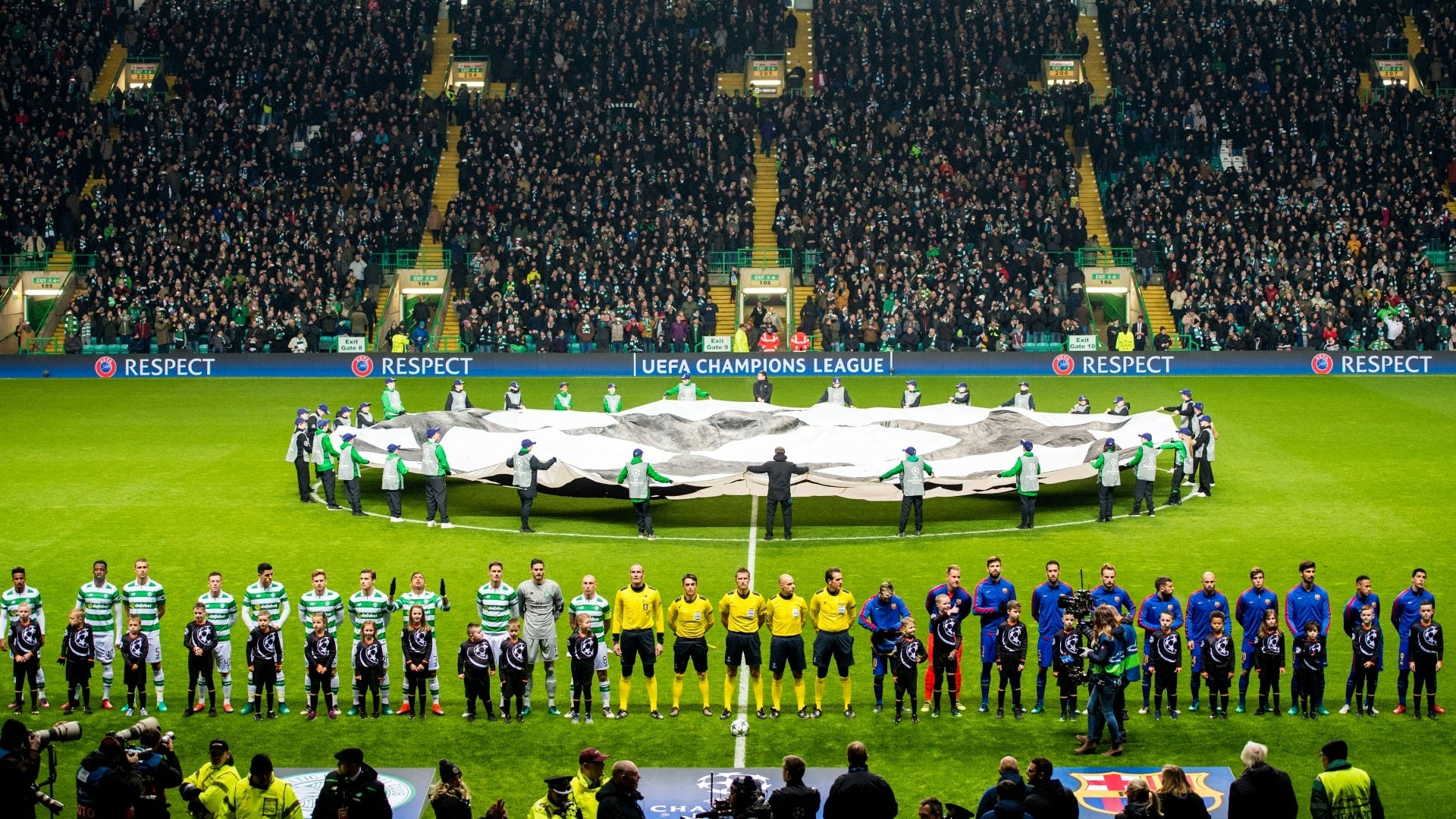
Every few months, Celtic end up in the same conversation. It usually starts with Europe, because Europe is where domestic logic stops protecting you. A qualifier goes wrong, a group stage feels familiar, and the language hardens quickly: ambition, standards, wasting advantages, the board, the manager, recruitment.
The last few weeks gave that debate fresh fuel. Celtic appointed Wilfried Nancy on a two-and-a-half year deal in early December, then sacked him on 5 January after eight matches. He won two and lost six, and his final game was an Old Firm defeat at home.
In fan culture, a short, ugly spell like that does not disappear. It becomes a reference point. A scar. Something people reach for the next time the club faces a choice.
And that is the point. The argument is rarely about Europe on its own. It is about how much uncertainty Celtic are willing to invite in pursuit of changing their European story.
Europe is the stage, not the subject

Celtic’s domestic position creates a rare psychological environment. Most weeks the club are stronger, deeper, and more financially secure than their opponents. That makes stability feel like common sense. It also makes change feel like self-inflicted danger.
Europe flips it. In Europe, Celtic are not choosing from a position of control. They are operating in a market of superior budgets, deeper squads, and thinner margins. In that world, your identity is tested, and your risk appetite is exposed.
This is why European results trigger such intense internal argument. Not because supporters are obsessed with the coefficient table, but because Europe is where Celtic’s comfort ends. It is where the club has to decide whether it wants to protect certainty or chase variance.
What supporters are really disagreeing about
Listen closely and you can hear two different philosophies arguing past each other.
One side wants Celtic to embrace risk.
They want the club to act like a team that is trying to become something else. Spend earlier. Recruit more aggressively. Make bolder coaching choices. Not because they believe in guaranteed European progress, but because risk feels like belief. Risk feels like movement. Risk feels like refusing to accept a ceiling as permanent.
The other side wants Celtic to suppress risk.
They want the floor protected: domestic dominance, financial stability, a squad that can win Scotland even if Europe disappoints. They see caution as competence. They see volatility as how clubs break themselves.
Both sides talk about Europe. Both are really talking about safety.
Why Wilfried Nancy became the perfect symbol of the debate
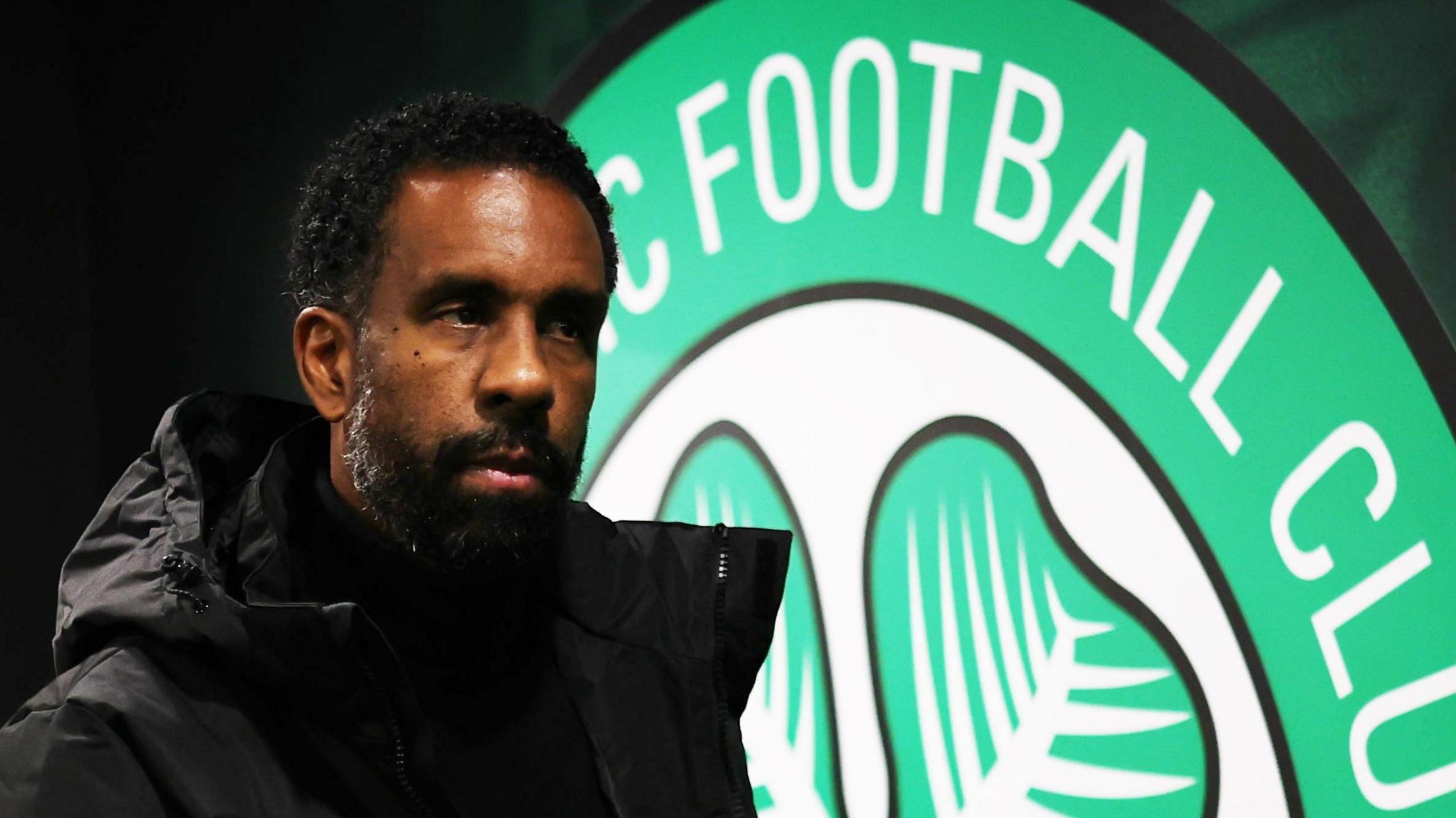
Nancy’s short tenure is useful here because it clarifies what people mean when they argue about “ambition” and “prudence”.
For risk-averse supporters, his appointment and sacking become evidence that gambling with stability has immediate consequences. The downside is not theoretical. It is real, public, and fast. The lesson becomes: do not invite chaos into a club that already has an advantage.
For risk-tolerant supporters, the same episode becomes a different warning. Not “never try” but “try properly”. The argument becomes: you cannot keep choosing safety and calling it realism if the goal is to change your European position. Failure is part of any attempt to move the club’s ceiling, but process matters. Selection matters. Structure matters.
Either way, Nancy’s spell functions less as a technical football debate and more as a stress test of how Celtic supporters relate to uncertainty. Celtic hired him, gave him eight games, and pulled the plug after six defeats. That speed, and that pain, tightened everyone’s instincts.
The uncomfortable truth about European progress
European success for a club like Celtic is not a simple reward for spending a little more or trying a little harder. It is volatile. It is path-dependent. It is often indifferent to good planning.
You do not buy certainty in Europe. You buy exposure.
Push the wage bill and you increase pressure. Recruit bigger names and you increase downside. Take bigger swings on coaching appointments and you increase the chance of a short, ugly correction. But refuse risk entirely and the ceiling becomes self-fulfilling. The club remains stable, but unchanged.
This is why the argument never ends. Celtic are large enough to feel they should matter in Europe, and constrained enough to feel that forcing it could be dangerous.
The question Celtic debates keep avoiding

Once you strip away the noise, the real question is simple.
Not: “Why can’t Celtic do better in Europe?”
But: “Which mistake do we fear more?”
The mistake of overreaching and destabilising what already works.
Or the mistake of choosing safety so consistently that nothing meaningful changes.
Supporters do not argue about risk directly because it sounds too abstract, too clinical, too unlike football. So they argue about managers, budgets, recruitment and Europe. They argue about ambition and standards. They argue about identity.
But underneath it all is the same unresolved tension.
Celtic debates are really arguments about whether the club should feel secure, or alive, when modern football refuses to let you have both at the same time.
If football culture matters to you beyond results, this space is for you.
I publish new pieces every Monday, Wednesday and Friday, covering Irish football, Europe, and the culture around the game.
The game as it is lived, not just played.
A good article James, I would counter however that there are ways Celtic can improve in Europe within existing budgets. Look at Sporting, look at PSV - similar budgets, different results