

When Limerick Hosted Real Madrid
The night the European giants came to the Green Isle and met Irish football on its own terms

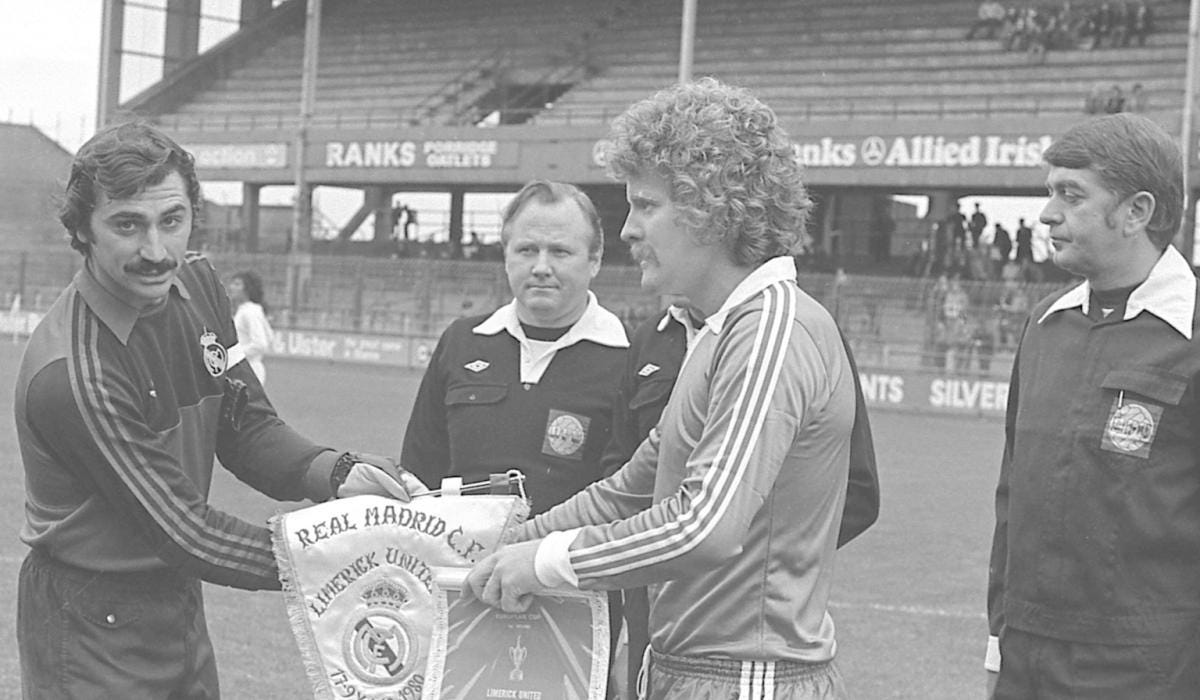
I. A Night That Should Have Been Impossible
There are matches in Irish football that seem too unlikely to be true.
Real Madrid playing Limerick United is one of them.
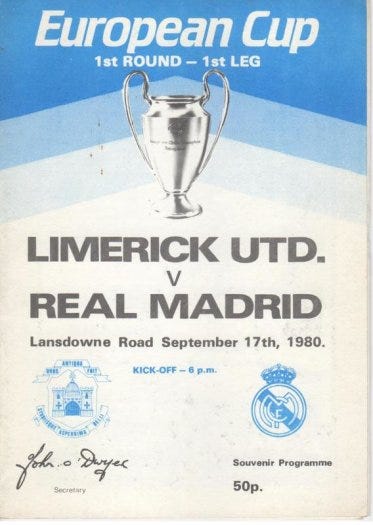
On 17 September 1980, in the first round of the European Cup, the most successful club in world football walked into Lansdowne Road to face the champions of Ireland. The Market’s Field was not eligible for the tie, so the game moved to Dublin, where more than 27,000 people crowded into the old stadium to see a contest that felt like a mismatch on paper.
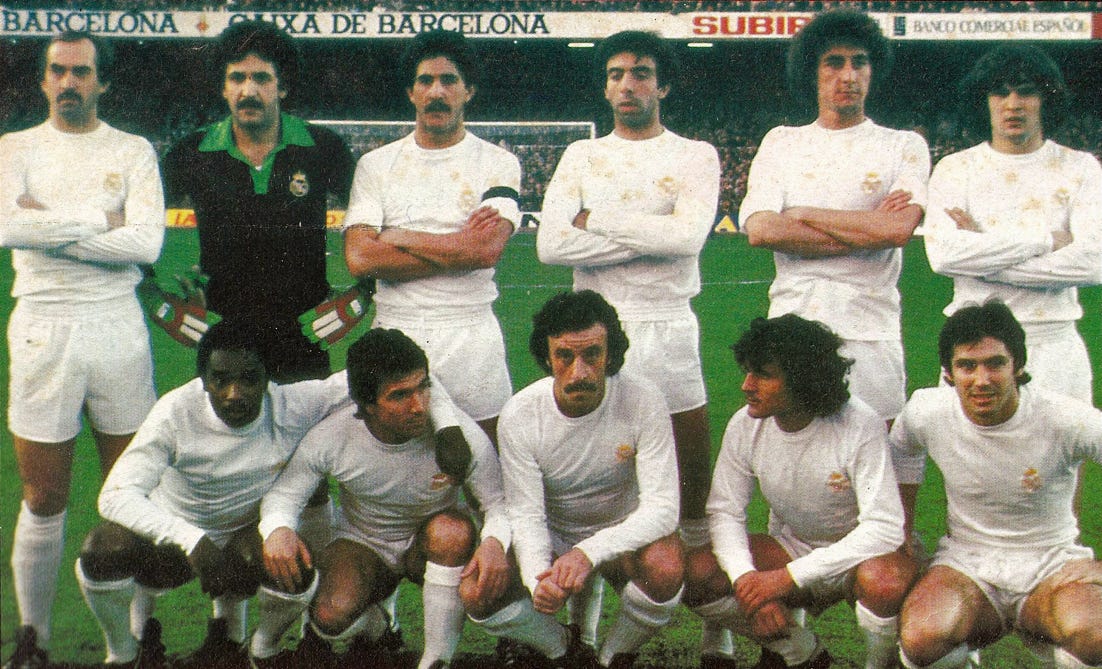
The Madrid team contained legends.
Laurie Cunningham.
Santillana.
Camacho.
Stielike.
Juanito.
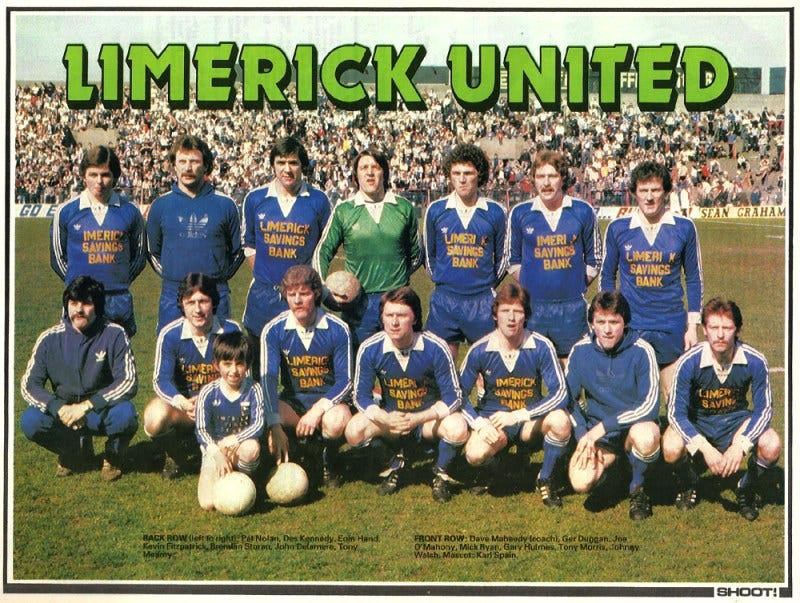
And across from them stood a Limerick side managed by Eoin Hand, built on work rate, heart and a belief that football can occasionally bend in strange, beautiful ways.
Nobody expected drama.
Nobody expected a contest.
And certainly nobody expected what happened next
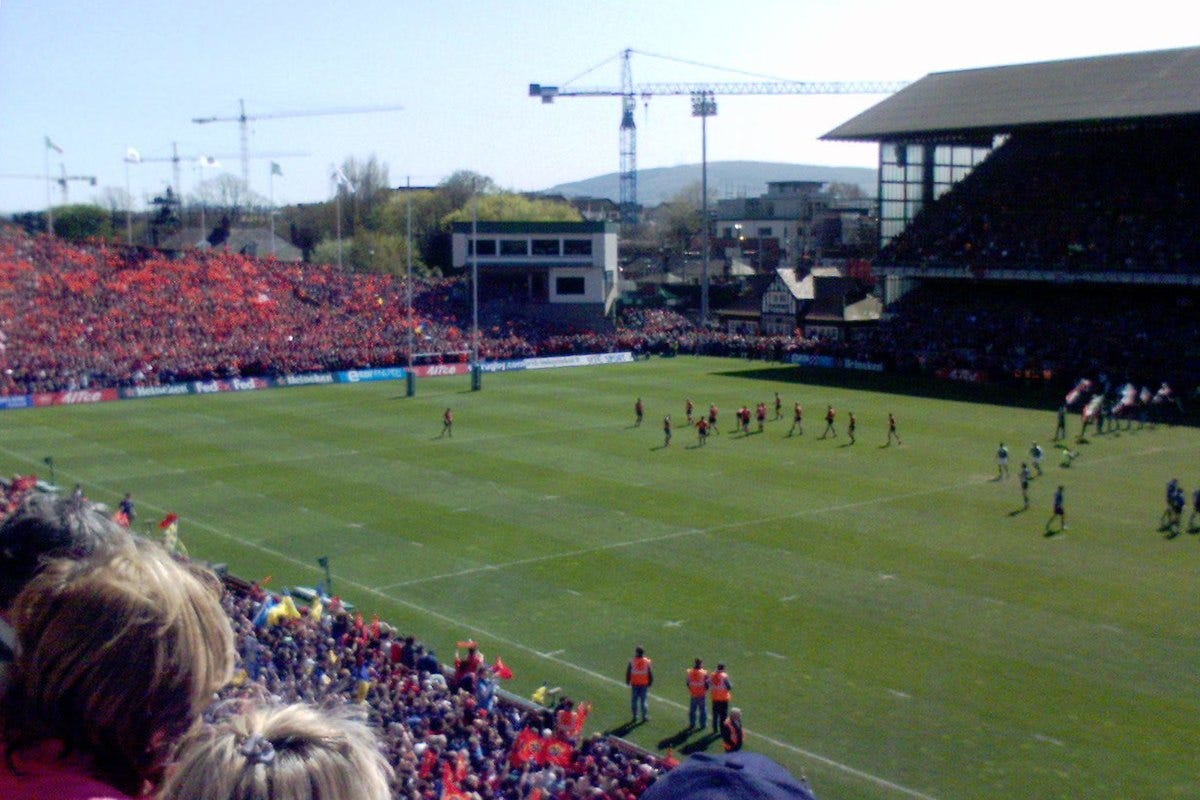
II. Real Madrid Arrive in a Different Football World
Madrid arrived confident, calm and curious.
Limerick arrived determined.
The locals in Dublin adopted the Irish champions for the night. Scarves were bought. Neutral fans became part of the story. When the teams emerged, there was a swell of noise that surprised even the visitors. This was not going to be a silent formality.
The pitch was heavy.
The air was damp.
And Limerick played without fear.
Eoin Hand’s side pressed hard, tackled relentlessly and turned the atmosphere into something Madrid were not prepared for. For long stretches early in the match, Madrid’s rhythm vanished. The crowd sensed it. The noise rose. And Limerick grew in confidence.
This was no friendly.
This was not sightseeing.
This was a fight.
III. The Moment Limerick Made Madrid Uncomfortable
Then came the spell that still lives in memory.
Limerick broke forward.
A quick pass found space behind Madrid’s defence.
A shot forced a real save from Agustín.
Lansdowne lifted.
For ten or fifteen minutes, Madrid were rattled.
Not beaten.
Not overwhelmed.
But surprised.
Laurie Cunningham, still recovering from injury, could not find his usual burst. Stielike gestured for calm. Camacho barked instructions. Limerick were outrunning them, outworking them, and outmanoeuvring them in spells that felt like they tilted the world.
It was in that moment, somewhere between disbelief and possibility, that it felt as if Limerick might actually shock Real Madrid.
IV. Madrid Break Through, but Limerick Answer Back
Madrid eventually found their breakthrough.
A cross.
A header.
Santillana.
1-0.
The second came when Isidro capitalised on a moment of hesitancy.
2-0.
Order restored, or so it seemed.
But Limerick refused to step back.
Then came the moment every Irish supporter at Lansdowne remembers.
A Limerick attack.
A foul in the box.
A penalty awarded.
Des Kennedy stepped up.
He placed the ball down.
He wiped his hands.
The stadium held its breath.
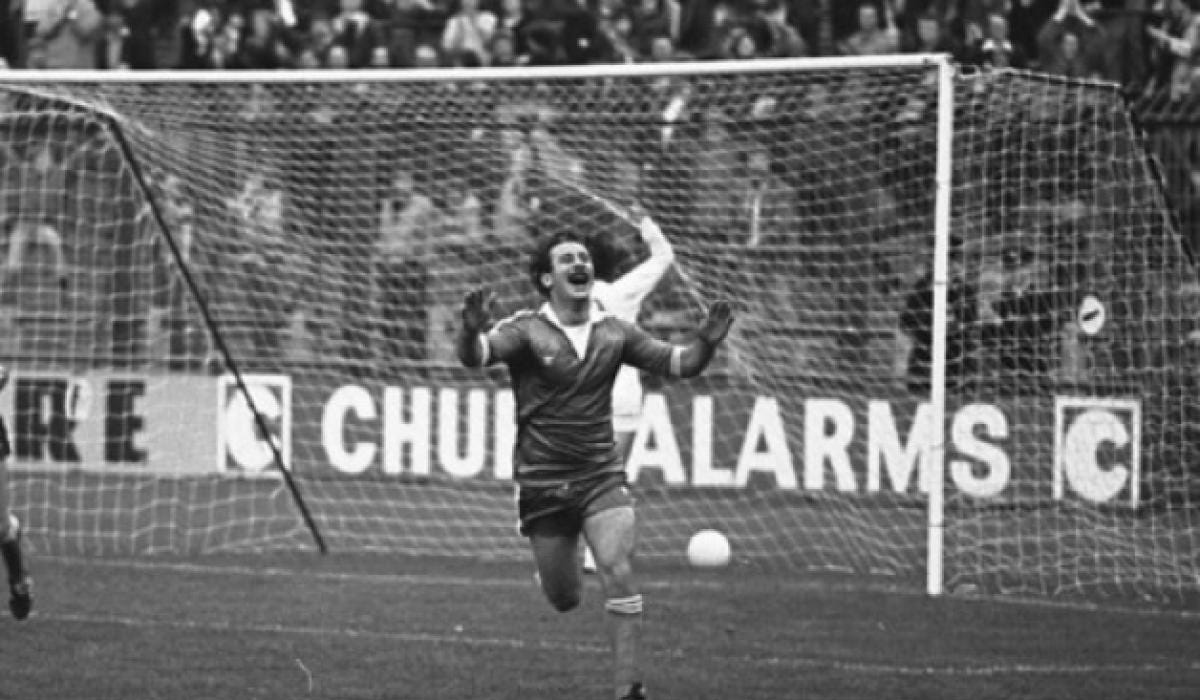
He scored.
Lansdowne erupted as if Ireland had won the European Cup.
Madrid looked shocked.
The impossible felt close again.
For the rest of the match, Limerick played with an edge and bravery that forced Madrid to take the tie seriously. It ended Real Madrid 2 – Limerick United 1, but the scoreline did not tell the full story.
Limerick had made them work.
Limerick had made them sweat.
And Limerick had made them nervous.
For one night, the giants felt small.
V. The Second Leg and the Final Scoreline
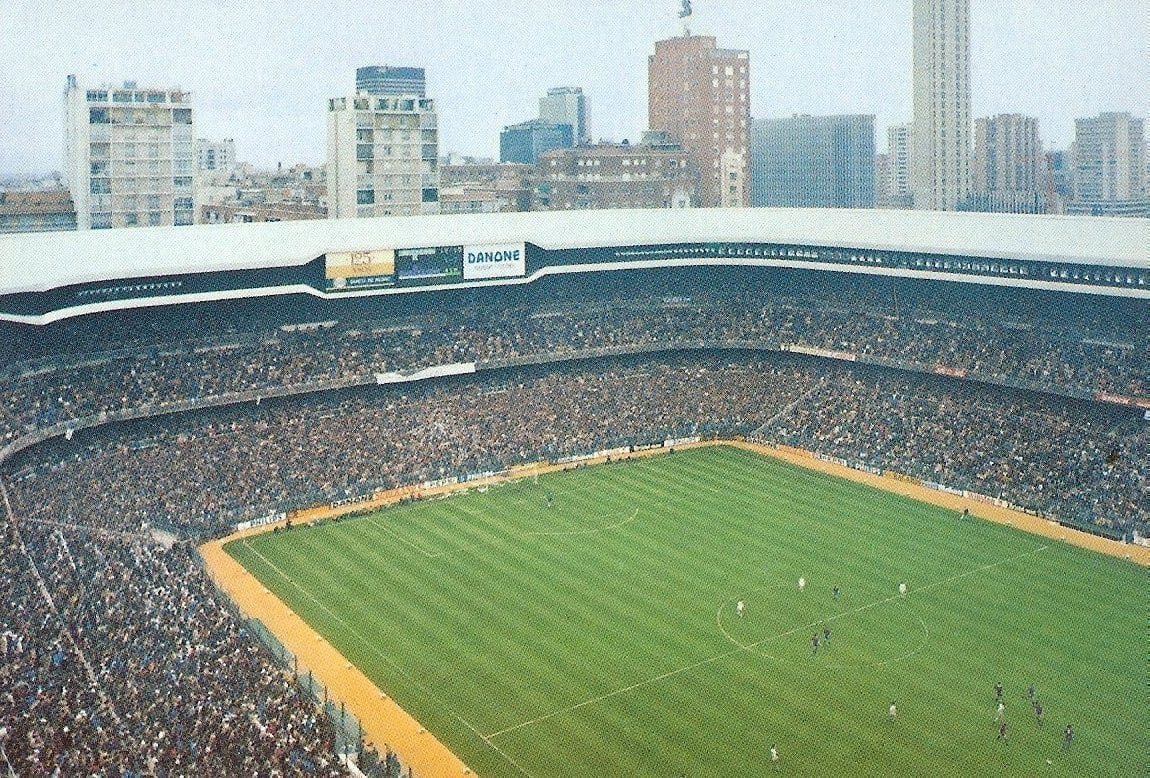
The second leg was played at the Santiago Bernabéu, where Madrid won 5-1, completing a 7-2 aggregate. The gulf in resources and talent was always going to show across two matches.
But Limerick scored in Madrid.
They left their mark.
And their fight in the first leg meant they travelled as respected opponents, not forgotten minnows.
Eoin Hand called the performance in Dublin “one of the best nights of my career”, not because of the result, but because of the pride his players carried.
Madrid players remembered the intensity.
Irish journalists remembered the roar.
Fans remembered the sense that something extraordinary had been touched.
VI. Why the Night Still Matters
Irish football does not often get to shape European mythology.
But that night, it did.
Limerick United became part of Real Madrid’s European journey.
Des Kennedy became a name attached to a historic goal.
The League of Ireland gained one of its most cherished memories.
More importantly, it showed something deeper:
That on the right night, under the right lights, with the right courage, an Irish club can unsettle royalty.
They did not beat Real Madrid.
They did not progress.
But they made Madrid uncomfortable.
They made Madrid respond.
And for a piece of an evening in Dublin, they made belief feel real.
That is the essence of football folklore.
Not the impossible achieved,
but the impossible nearly achieved.
VII. The Memory That Refuses to Fade
More than forty years later, the match remains a proud corner of Irish football history.
Ask anyone who was there.
The noise.
The shock that Madrid were in Dublin.
The shock that Limerick refused to back down.
The penalty.
The belief.
Football does not always need miracles.
Sometimes it only needs moments.
On a September night in 1980, Limerick United found one.
And for that brief moment, Real Madrid felt its weight.
That is why the story survives.
Because it was not about winning.
It was about standing tall.
And that, in Irish football, can feel just as beautiful
If shirts mean more to you than fabric and colour, you’ll fit right in here.
Subscribe for new football stories every Monday, Wednesday and Friday, from Irish grounds to European dreams and the culture that connects them.
The game as it’s lived, not just played.