

The Gunners' Long Shot
How '4rsenal' helped build modern Arsenal

Arsenal have always been a club shaped by movement. They were born in Woolwich in south-east London, founded by workers at the Royal Arsenal munitions factory in 1886. In 1913 they crossed the Thames to Highbury, a move so controversial that Tottenham Hotspur supporters still discuss it with the enthusiasm of people arguing about an inheritance. A century later, Arsenal moved again, this time a matter of streets rather than miles, from Highbury to Ashburton Grove.
The common story is that Arsenal left Highbury because they wanted more money. The truth is that they left because they felt they had little choice. By the early 2000s Highbury’s capacity stood at just over 38,000. Manchester United regularly attracted more than 67,000 to Old Trafford, while Arsenal routinely sold out every home match and maintained one of the longest season-ticket waiting lists in English football. The East and West Stands were listed buildings, limiting redevelopment opportunities. The surrounding residential streets left little room for expansion. Highbury was beautiful, but beauty does not generate additional matchday revenue.
Arsenal’s leadership looked at the future and saw a club trapped by its own success. They could remain in one of football’s most beloved stadiums or build a platform capable of competing with Europe’s financial elite. They chose the latter. Supporters often remember leaving Highbury as losing a home. Executives viewed it as gaining a future.
I try to explain football properly. The bits that don’t always get talked about.

If you think it’s worth it, you can support it here.
When Wenger Became The Human Bridging Loan
The Emirates Stadium project ultimately cost around £430 million, making it one of the largest infrastructure investments in football at the time. Arsenal refinanced approximately £260 million through long-term bonds in 2006, creating a structured repayment model that would shape decision-making for years.
This is where one of football’s most persistent myths deserves examination. Arsenal were not poor during the Emirates era. They were constrained. There is a difference. Chelsea’s transformation under Roman Abramovich began in 2003. Manchester City arrived with Abu Dhabi wealth in 2008. Even Manchester United, despite ownership controversies, generated commercial revenues on a scale Arsenal could not yet match.
Arsenal chose a different route. Rather than rely on an owner’s cheque book, they attempted to finance growth through infrastructure, property development and sustainable revenue generation. The Highbury Square housing development became part of the plan. Future matchday revenues became part of the plan. Champions League qualification became absolutely central to the plan.
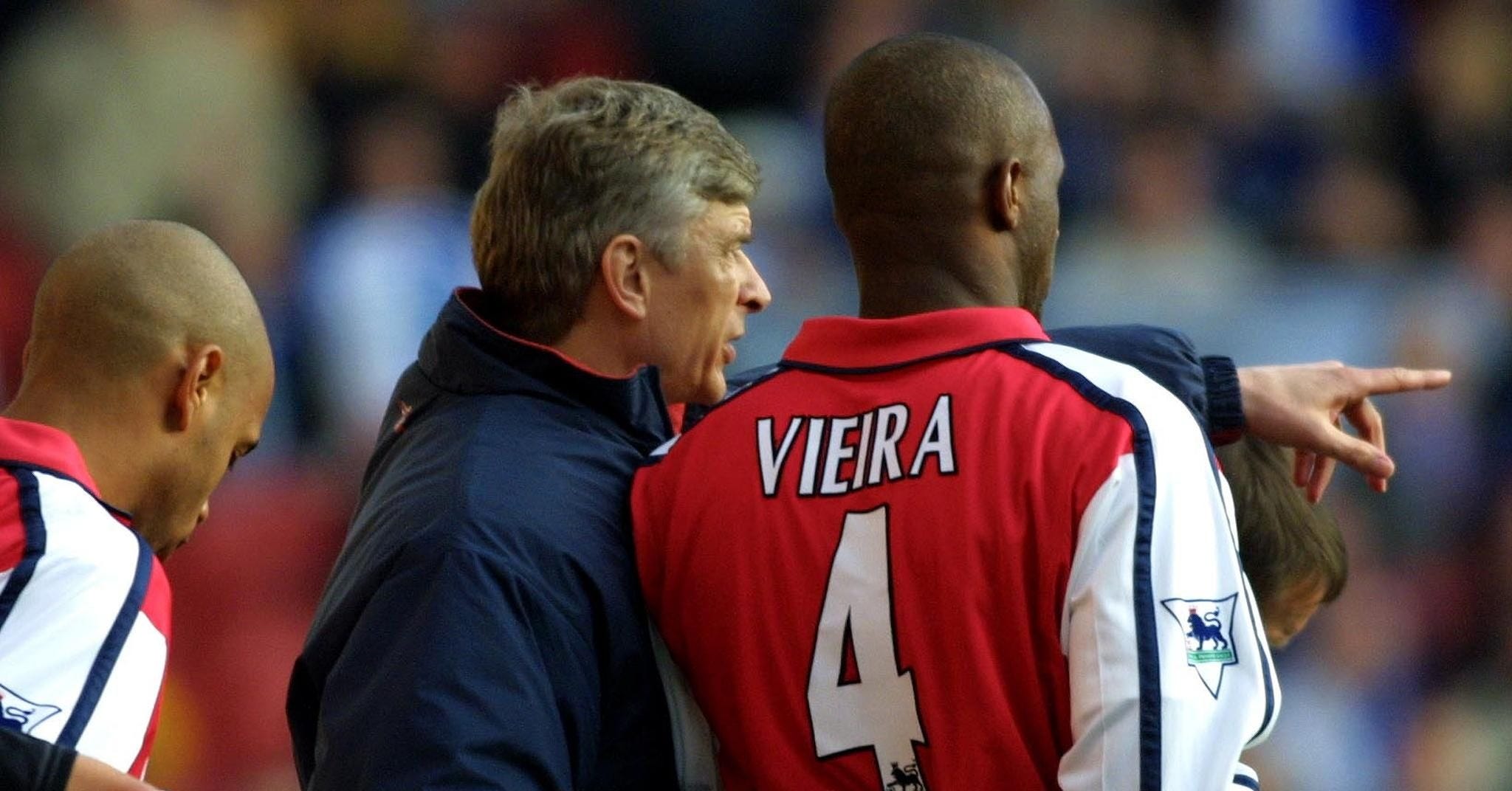
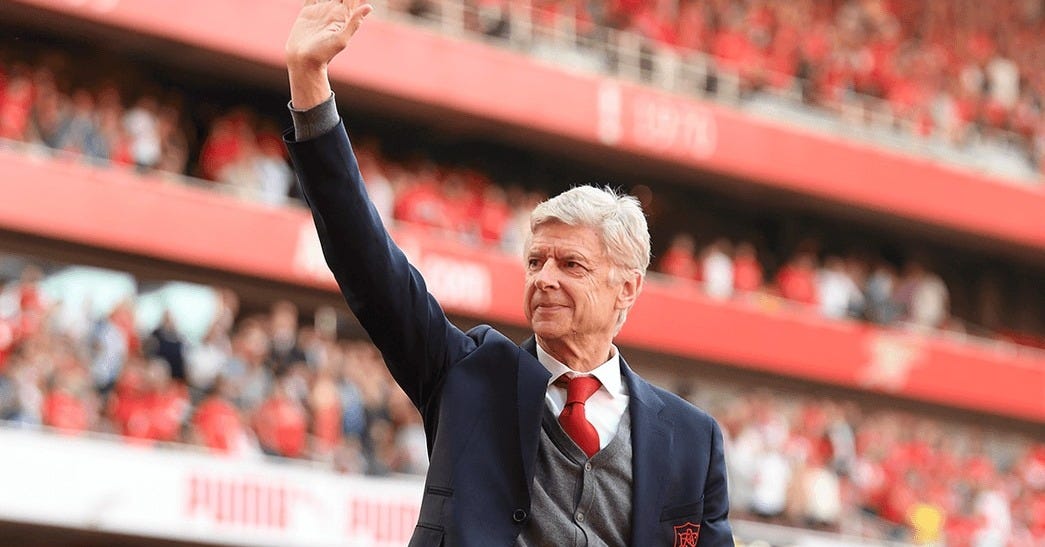
Which is where Arsène Wenger enters the story. Managers are usually judged by trophies. Wenger spent much of the Emirates era protecting a financial model. From 1998 to 2016 Arsenal qualified for the Champions League every season. That consistency generated hundreds of millions in revenue and allowed the club to service debt while remaining competitive. Supporters complained about selling Robin van Persie, Samir Nasri, Cesc Fàbregas and others. They were not wrong to be frustrated. Yet Wenger was effectively being asked to finish in the top four every year while competing against clubs operating under entirely different economic conditions.
Arsenal became so synonymous with finishing fourth that "4rsenal" entered football's vocabulary. For years, Champions League qualification felt less like a target and more like a subscription service.
Many managers have been called miracle workers. Wenger spent a decade functioning as a very sophisticated accounting solution.
The North London Cost Of Staying Competitive
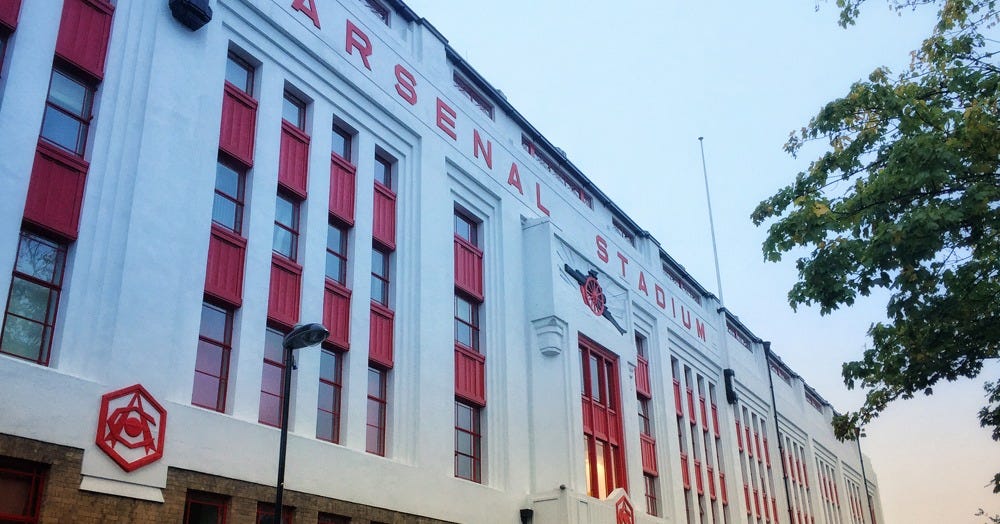
The Emirates story is often told through balance sheets and transfer windows. It is equally a story about North London. Highbury sat within a dense patchwork of Victorian streets, pubs, corner shops and family routines. Matchday felt woven into the neighbourhood. Arsenal supporters did not travel to Highbury so much as disappear into it.
The Emirates remained local. That decision matters. Many clubs facing similar challenges would have relocated entirely. Arsenal stayed within Islington, moving less than a kilometre from their historic home. They retained their connection to the borough that had shaped generations of supporters while also becoming a catalyst for local regeneration around Ashburton Grove.
Yet staying local did not mean preserving everything. The new stadium increased capacity to over 60,000. Corporate hospitality expanded. Ticket prices rose. Global audiences grew. Arsenal became more international and commercially powerful than ever before. The tension was obvious. The club that emerged from Woolwich workers and North London communities was becoming one of football’s most global brands.
Neither side was wrong. Football supporters wanted atmosphere, accessibility and continuity. Club executives wanted growth, sustainability and competitiveness. Modern football rarely allows organisations to maximise all three simultaneously. Every club chooses its compromise. Arsenal chose scale. As many supporters would tell you, the Emirates occasionally felt less like a football ground and more like a very successful conference centre that happened to have Bukayo Saka running around inside it.
Touchline Partners

Retro football shirts and enough football nostalgia to financially ruin any sensible person: Classic Football Shirts
Use our referral link for 10% OFF at checkout.
Did Arsenal Actually Fail?
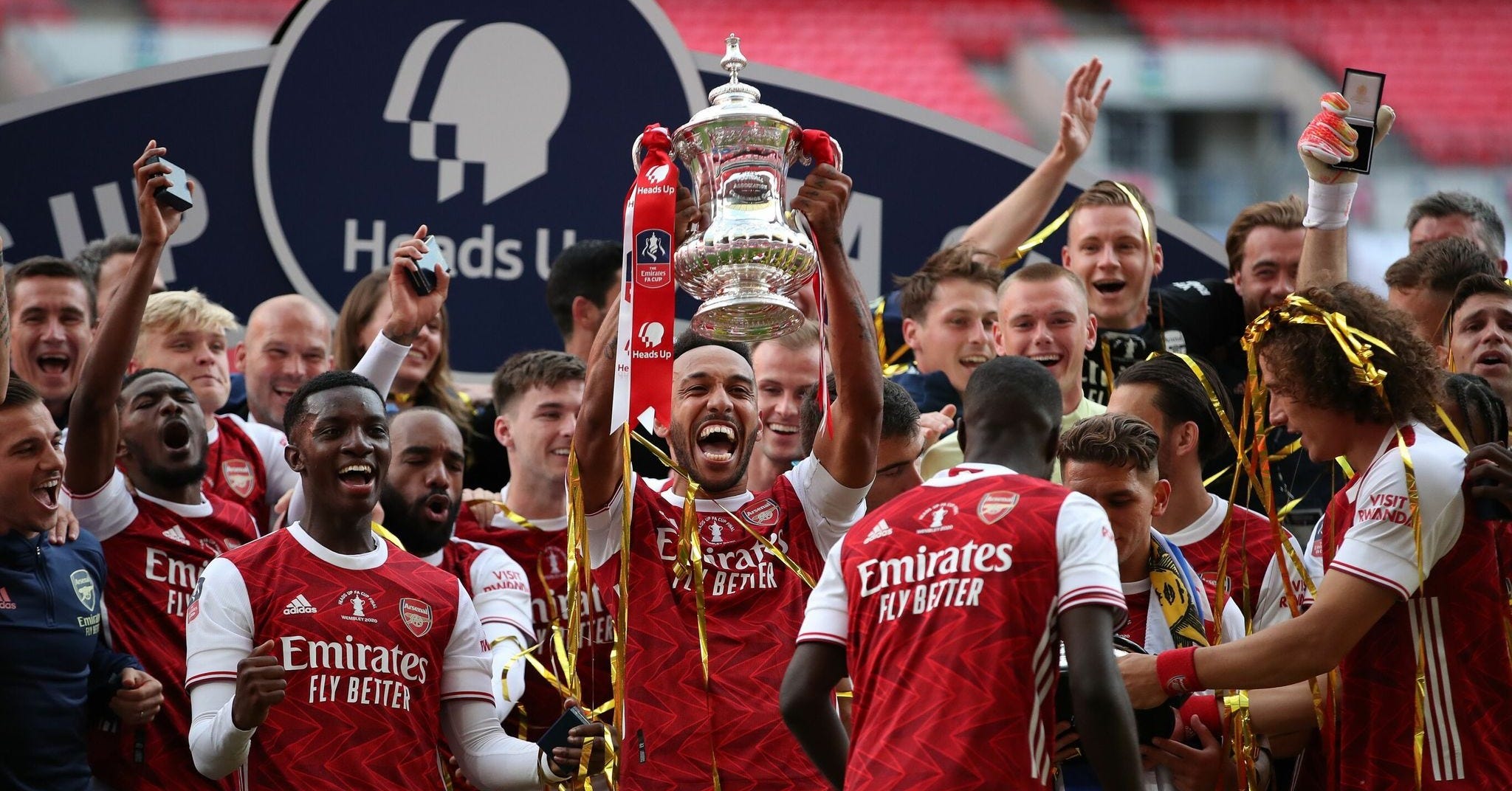
The simplest criticism of the Emirates era is that Arsenal sacrificed trophies. There is evidence to support that view. Between the 2005 FA Cup and the 2014 FA Cup, Arsenal endured their longest trophy drought for decades. Manchester United won titles. Chelsea won titles. Manchester City emerged as a dominant force. Arsenal became associated with fourth-place finishes and near misses.
But judging the strategy solely through silverware ignores what the club was trying to achieve. The real objective was survival among football’s emerging superclubs. Arsenal never experienced the financial crises that engulfed Leeds United. They never required sovereign wealth ownership. They never faced the existential uncertainty experienced by clubs that pursued growth without sustainable foundations.
The club remained profitable for much of the stadium repayment period. Debt steadily reduced. Commercial revenues expanded. Matchday income became one of the strongest in Europe. By 2023-24 Arsenal generated record revenues of approximately £617 million, including £132 million from matchdays alone. Their wage bill reached nearly £328 million. They were no longer operating like a club carrying stadium debt. They were operating like one of Europe’s financial heavyweights.
The uncomfortable possibility is that Arsenal’s most criticised decade may have been the decade that made their current success possible. Supporters understandably remember what was lost. Investors and executives tend to focus on what was built.
The Future Arsenal Paid For
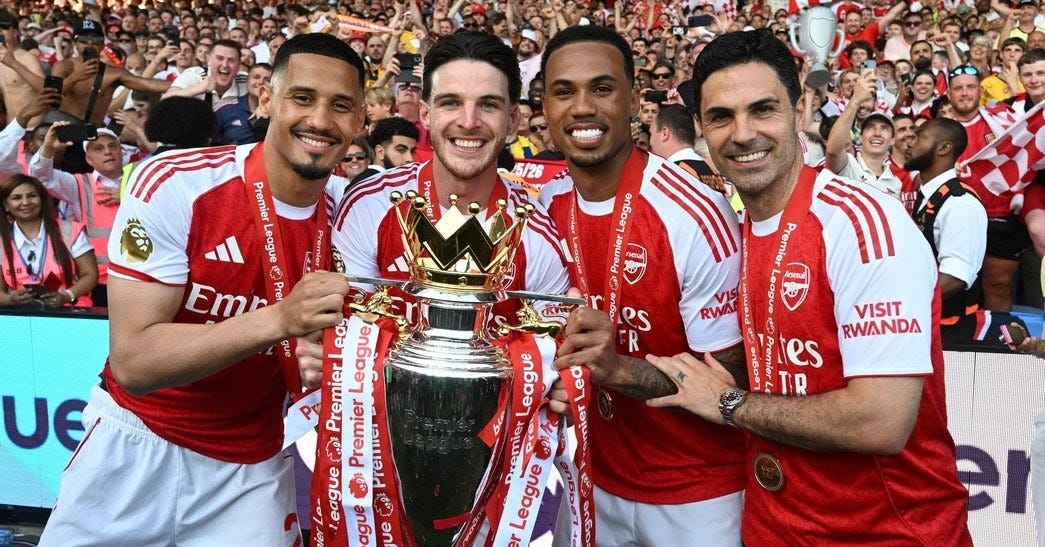
Mikel Arteta’s Arsenal look remarkably like the club the Emirates project was designed to create. They compete for Premier League titles. They attract elite players. They generate revenues comparable with Europe’s biggest clubs. They possess modern infrastructure, global commercial appeal and an ownership group willing to invest aggressively when opportunities arise.
Declan Rice arriving for over £100 million would have seemed almost absurd during the years when Arsenal supporters were convincing themselves that selling a captain and signing a replacement from Ligue 1 was part of some elaborate masterplan.
Yet the story remains unfinished. The Emirates solved Arsenal’s capacity problem. It strengthened revenues. It future-proofed the club financially. What it never fully solved was the question of identity.
The ghosts of Highbury still linger in conversations about atmosphere, ticket prices and belonging. Every discussion about stadium expansion, supporter access or matchday culture eventually circles back to the same tension. Arsenal built the future they believed they needed. The challenge now is ensuring the people who filled the old stadium still recognise themselves in the new one.
Because perhaps the real lesson of the Emirates era is that football clubs do not simply build stadiums. Stadiums rebuild football clubs. And twenty years later, Arsenal are still living inside the consequences of that decision.
📲 IF YOU LIKED THIS, YOU’LL LIKE THE REST
LinkedIn: [Touchline Studios]
Instagram: [@touchlinestudios]
TikTok: [@touchlinestudios]
💡 I send the proper pieces through the newsletter. No noise, just football.