

Derry City’s McClean Return
McClean is back at the Brandywell, and this is about far more than minutes, mileage or whether he can still get up and down the line.

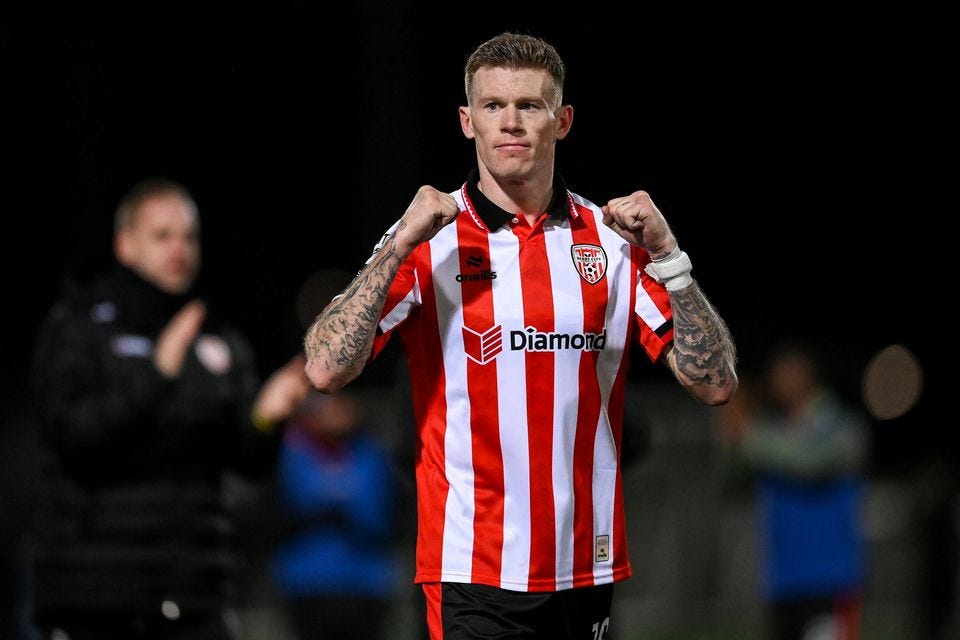
James McClean’s Return Changes Derry City In Ways Roddy Collins Still Does Not Understand
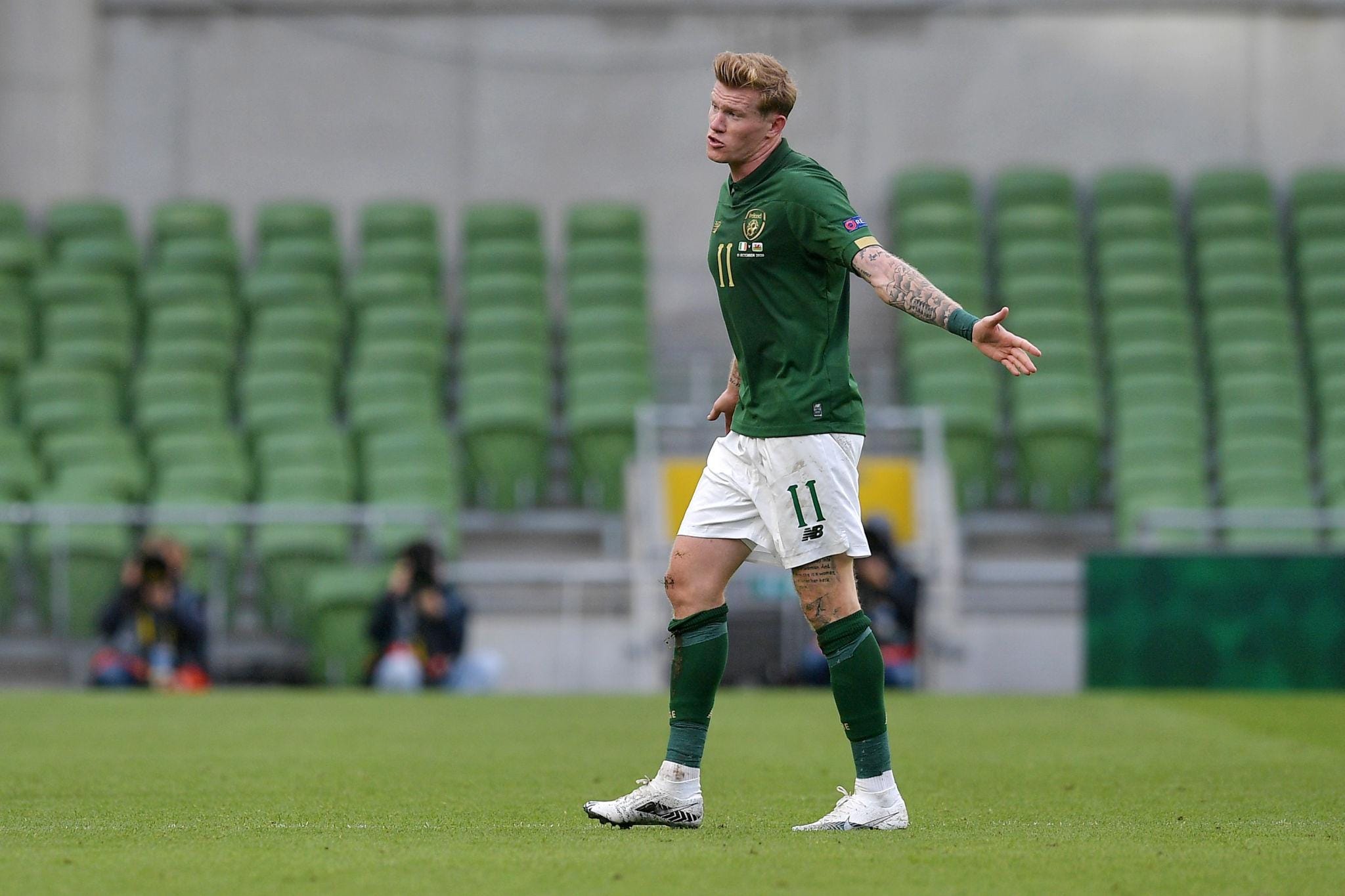
James McClean’s return to Derry City was one of the biggest moves of the League of Ireland winter, but the interesting part was never just football. Wrexham confirmed in January that the 36 year old left by mutual consent to return to his hometown club, while Derry’s own announcement framed it as the return of one of the city’s great modern footballing figures. This is a player with 103 Republic of Ireland caps, nearly 700 professional appearances and 180 goal involvements according to the club’s own 2026 squad feature. That is not a sentimental cameo. That is serious mileage coming back through the front door.
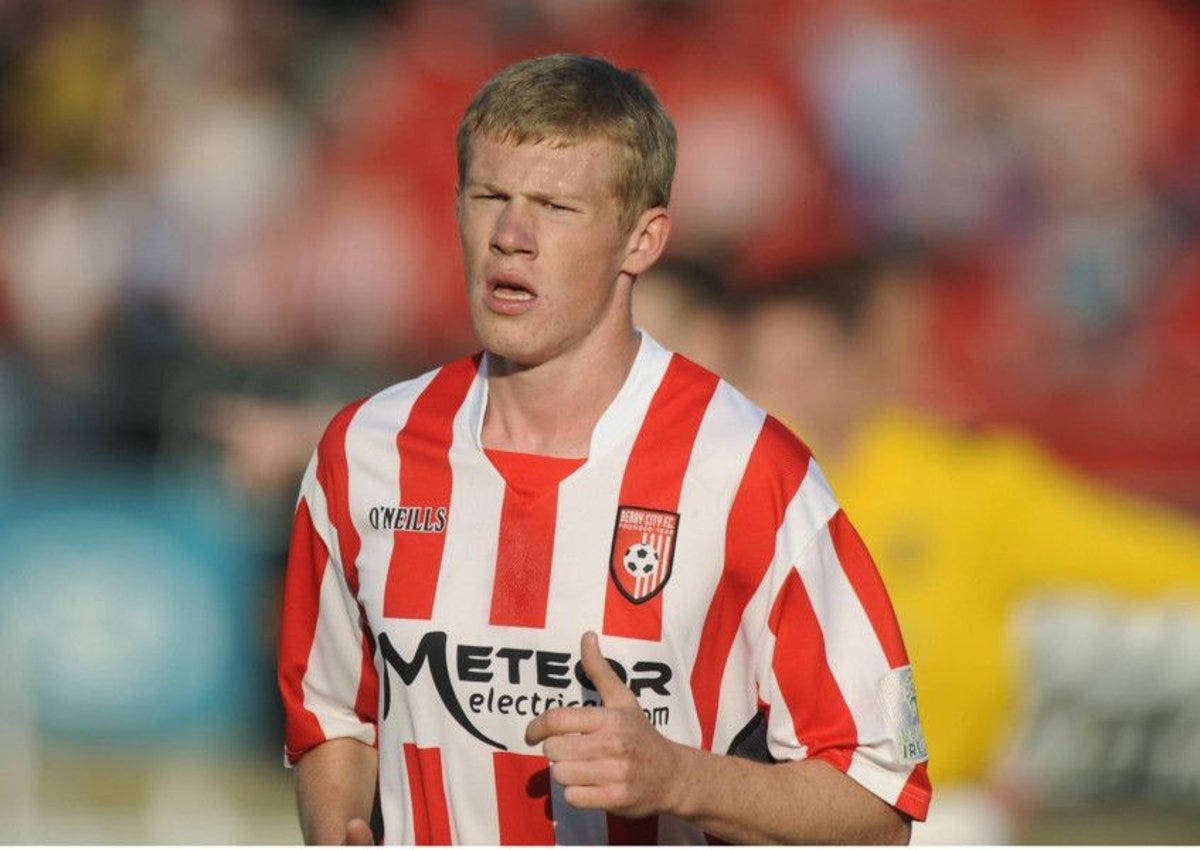
But players like McClean do not simply return as footballers. They come back as symbols. They carry memory, expectation and a strange kind of emotional authority that normal signings just do not have. Derry have brought back a left sided player, yes, but they have also brought back one of the clearest links between the club’s past ambitions and its present ones. He left in 2011 after making 88 appearances and scoring 18 goals in his first spell. He has come home nearly 15 years later as a very different figure, but still one who means something deeper to the club and the city.
That is why the whole thing lands differently. This is not simply about whether McClean can still whip in a cross or win a duel. It is about what happens when a club gets one of its own back at a moment when it is trying to become something bigger. Homecomings in football are rarely neat. They are loaded things. They drag memory into the dressing room. They make the crowd louder before a ball is even kicked. They make standards feel a little less negotiable. In a league that still runs on place and feeling as much as tactics and shape, that matters.
Roddy Collins Misses The Point
That is also why Roddy Collins’s recent take felt so off. Speaking on the Sons of Dave podcast, Collins said he thought Derry had made “the worst signing in their history” in bringing McClean back. It is the sort of line that does exactly what it is designed to do. It gets clipped, passed around and turns into a talking point before most people have even had a chance to think about it. But it is still a poor reading of what this move actually is.
The problem with Collins’s argument is that he judges McClean like a normal transfer. Is he still quick enough. Can he still cover the same ground. Is this just nostalgia in a Derry shirt. That is too narrow. McClean was not brought back to be a fantasy version of his 24 year old self. Derry are not buying a time machine. They are bringing home a player who has lived through the Premier League, the Championship, the intensity of international football and the pressure of captaining Wrexham during one of the most scrutinised stories in British football. That experience has a value of its own, especially inside a dressing room with title ambitions.
More than that, Collins’s line ignores something football people usually understand instinctively. Players returning home late in their careers often reshape clubs culturally before they reshape them tactically. They sharpen the mood around the place. They make younger players sit up. They make standards less optional. They alter what a club feels like on a Tuesday morning and what supporters expect on a Friday night. That is not soft stuff. That is part of how teams are built. Irish football in particular has always run on emotion, identity and local meaning. Pretending that is somehow less serious than systems or spacing is missing half the game.
What McClean Actually Brings Back
Tiernan Lynch seems to understand that. When Derry announced the signing, the language around McClean was not just about his pedigree but about what he would bring to the group. The squad around him explains the same thing. Derry added Patrick McClean, Darragh Markey, Rob Slevin, James Clarke and James Olayinka as part of a winter rebuild, with Brian Maher still a key figure in goal and Michael Duffy remaining one of the most dangerous players in the league. This is not a side trying to drift into contention politely. It is a club trying to harden itself into a title challenger.
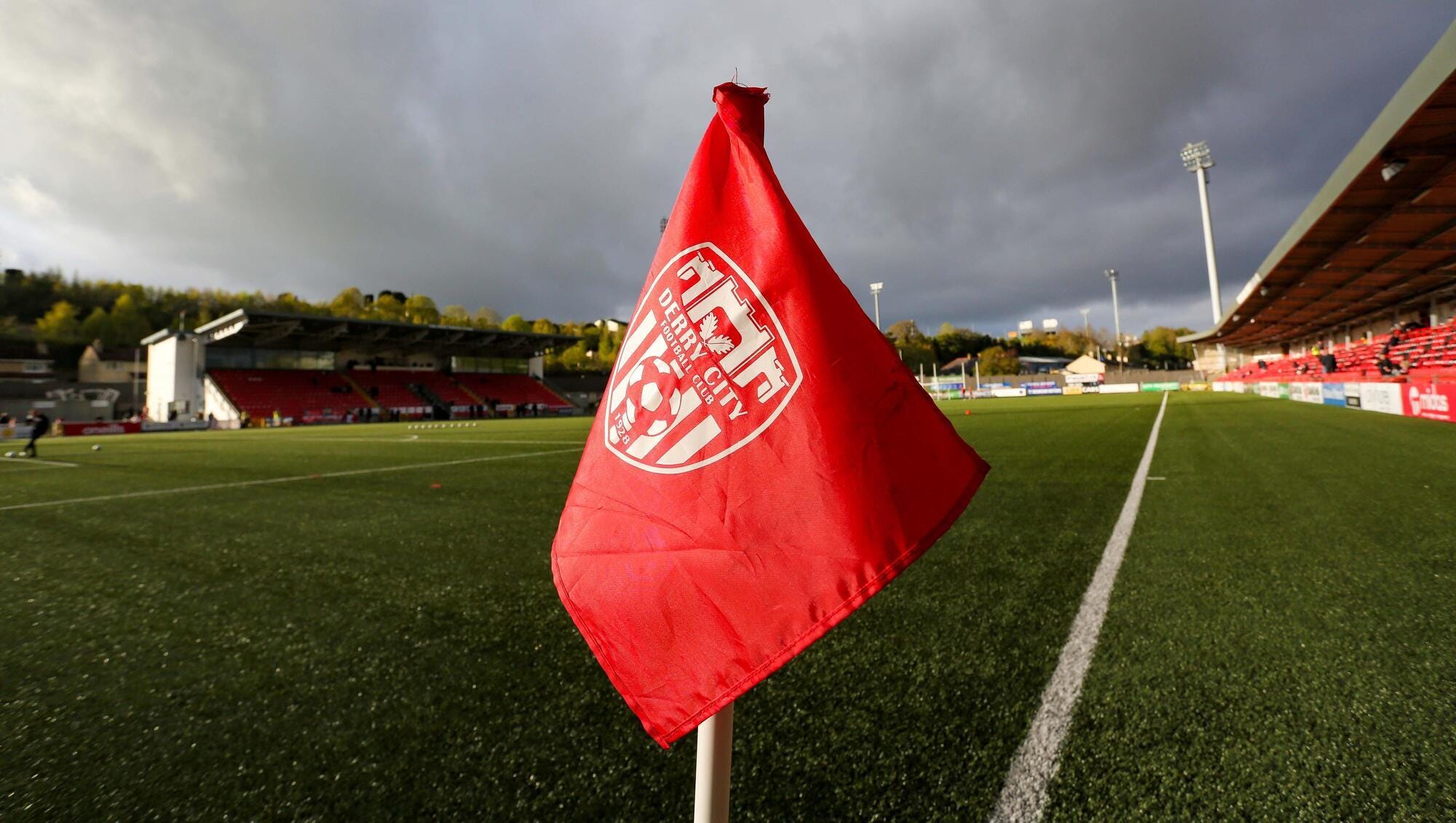
McClean fits that because he is not returning to disappear into the wallpaper. He has already said Derry was always the last club of his career and that he wants to win the league with his hometown side. That matters because Derry have not lifted the league title since 1996 and 1997, which means every ambitious season at the Brandywell now arrives with a bit of history attached. The club is not merely chasing points. It is chasing release. McClean knows that better than most because he knows the place, the pressure and the memory of what Derry can feel like when the city really believes.
And there was already an early glimpse of the wider point in the President’s Cup. Derry beat Shamrock Rovers 1 nil at Tallaght, with McClean providing the cross that led to Darragh Markey’s winning goal. It was only one match and nobody sensible should get carried away by silverware in January, but it still told a useful story. McClean was central to the occasion, central to the noise around it, and central to Derry starting the season with a visible sense of edge. Sometimes a signing announces itself before the league table has a chance to catch up.
Why This Matters To Derry
The biggest mistake people make with signings like this is assuming they only work if the returning player becomes the team’s best performer every week. That is too simplistic. Derry do not need McClean to be their best player every Friday for this move to matter. They need him to reinforce what kind of club they are trying to be. They need him to help create a dressing room where standards feel a bit less negotiable and a matchday atmosphere where ambition feels normal rather than hopeful.
That matters at Derry more than it might somewhere else because this is a club that always seems to live close to expectation. There is a benefactor. There is a packed emotional landscape around the team. There is a city that does not really do lukewarm football opinion. There is also a manager in Tiernan Lynch trying to prove Derry are the strongest challengers to Shamrock Rovers. In that environment, bringing back a player like McClean is not indulgence. It is an attempt to align talent, personality and identity in one move.
And that is before you get to the supporters. Fans do not experience football like recruitment departments do. They feel it. They attach meaning to it. They want players who understand the badge, the ground and the city without needing it explained to them. McClean gives Derry that in a way very few signings ever could. If anything, that emotional charge is the point. Otherwise, we reduce football to a maths problem and wonder why none of it feels memorable.
More Than A Last Dance
So no, I am not buying Roddy Collins’s line. Not remotely. James McClean may not solve every problem Derry City have this season. He is 36. He is not immune to age, bad games or the chaos that always seems to find League of Ireland title races eventually. But calling him a bad signing misses the whole emotional intelligence of football.
McClean’s return is significant because it changes what Derry City feel like. It gives the club a little more edge, a little more gravity and a little more sense of itself. That is not fluff. That is culture, and culture wins more matches than people like to admit. Homecomings are rarely just about what is left in the legs. They are about what comes back with the person. In Derry’s case, that is memory, defiance, expectation and a reminder of who the club still wants to be.
And in a league built on feeling as much as form, that is not a small thing. That is the story.
If you’re interested in how football actually works, not just who won, this space is for you.
New pieces every Tuesday and Thursday. Slow thinking in a fast sport.
The game as it is lived, not just played.